

Bioprinting is transforming how researchers study human biology by providing controlled, reproducible, and application-specific tissue models. Whether the goal is to understand disease mechanisms, evaluate therapeutic candidates, develop patient-specific models, or engineer functional tissues for regeneration, bioprinting offers a flexible platform that bridges fundamental research and clinical translation.
Disease modelling and drug discovery/screening
2D cultures offer a simple and fast screening tool for drug discovery and drug response. However, it was shown in vivo and in 3D experiments that the dose response drastically differs from 2D experiments. Cells cultured in 2D are generally more responsive to therapeutic compounds. This is because they lack physical barriers and cell-cell or cell-ECM interactions.
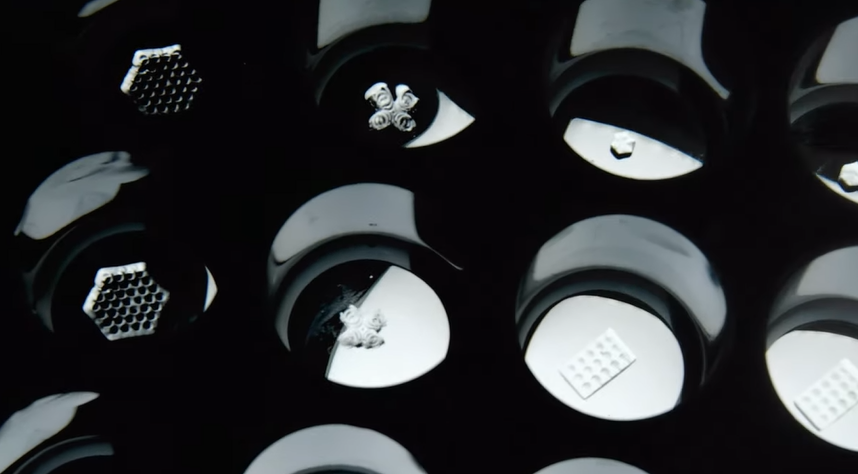
High-throughput approaches often play an important role in drug discovery and screening. The extrusion-based BIO X and BIO X6 offer in-well printing options. So does the DLP-printing setup of the BIONOVA X . In addition, the small and efficient biodispenser BIO-ONE offers an easy-to-use option for droplet printing or droplet in droplet printing. TCELLINK bioprinters enable high-throughput screening and toxicity assessment. Applications range from simple spheroid and organoid structures to more complex models.
3D printing can also be used beyond drug screening and testing. The Electro-Magnetic Droplet (EMD) printhead of the Bio X and Bio X6 uses DoD technology. It can efficiently load porous pills with drugs or print beads for drug delivery systems. Additionally, drug loaded capsules or gums and pills can be printed for targeted drug delivery combining specific materials that enable faster or slower drug release more specifically.
Sources and references
- CELLINK Application Note: Comparing Drug Response in 2D Cultures and 3D Bioprinted Tumoroids, CELLINK LLC, Boston, MA, USA
- Murphy & Atala, August 2014, Nature Biotechnology, 3D bioprinting of tissues and organs, DOI:10.1038/nbt.2958
- Edmondson R. et al., Assay Drug Dev Technol., May 2014, Three-Dimensional Cell Culture Systems and Their Applications in Drug Discovery and Cell-Based Biosensors, DOI: 10.1089/adt.2014.573
- Buharaju et al., July 2025, Bioactive Materials, Bioprinting for drug screening: A path toward reducing animal testing or redefining preclinical research?, https://doi.org/10.1016/j.bioactmat.2025.07.006
- Lu et al., Nuvember 2023, International Journal of Pharmaceutics, Unraveling the influence of solvent composition on Drop-on-Demand binder jet 3D printed tablets containing calcium sulfate hemihydrate, https://doi.org/10.1016/j.ijpharm.2023.123652
- CELLINK Technical Note: Printing Alginate Beads: A Technical Note, CELLINK, Gothenburg, Sweden
- Herrada-Manchón, September 2020, International Journal of Pharmaceutics, 3D printed gummies: Personalized drug dosage in a safe and appealing way, https://doi.org/10.1016/j.ijpharm.2020.119687
Cancer research with 3D bioprinting
Current research largely relies on 2D cell cultures and animal models, but they fall short in replicating the complexity of in vivo tumors and human physiology. This results in a high failure rate in the process of translating drugs for clinical use.
More than 92% of drug candidates that demonstrate efficacy in animal models fail in clinical development. This number even increases to a staggering 97% for anticancer drug candidates during clinical.
Therefore, it was urgent to look for solutions. 3D bioprinting addresses many of these limitations by enabling the creation of highly physiologically relevant 3D models. It provides precise control over tissue architecture, cellular composition. For example: the incorporation of different human cell types, and the properties of the extracellular environment, such as matrix stiffness.
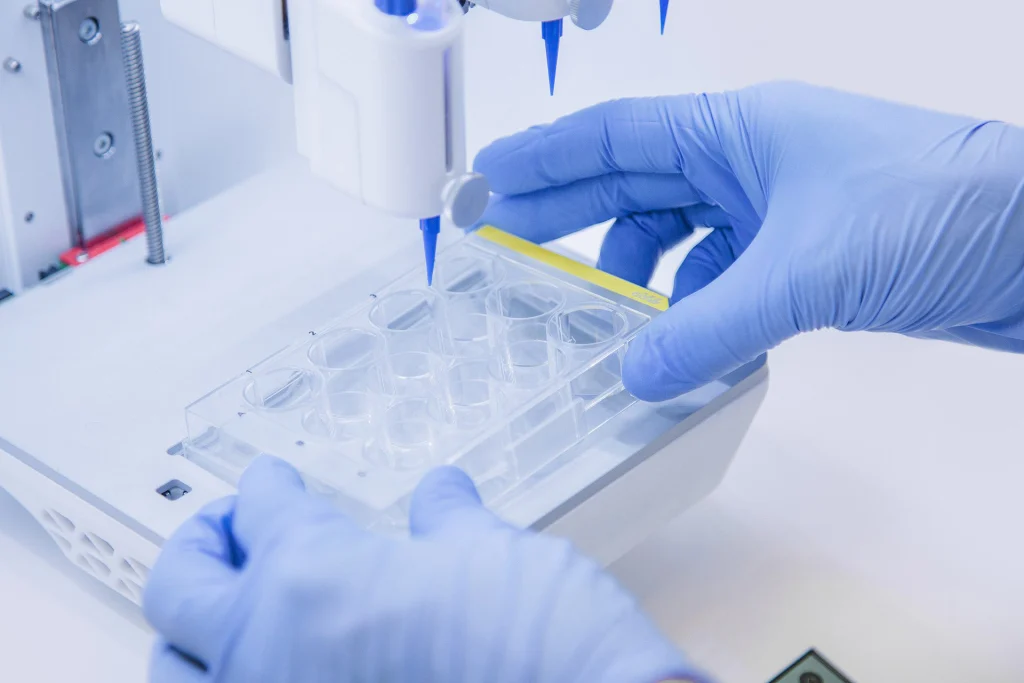
Moreover, bioprinting facilitates the integration of perfusable microchannels that simulate vascular structures like blood vessels. These capabilities make 3D bioprinted cancer models a powerful platform for studying tumor biology and improving the predictive value of preclinical drug screening.
Sources and references:
- Neufeld et al., December 2022, Nature Reviews Cancer, 3D Bioprinted Cancer Models: From Basic Biology to Drug Development, doi: 10.1038/s41568-022-00514-w
- Mei et al., March 2023, International Journal of Molecular Sciences, Generation of a Perfusable 3D Lung Cancer Model by Digital Light Processing, https://doi.org/10.3390/ijms24076071
- https://www.cellink.com/customer-spotlight/advancing-lung-cancer-research/
- B. Kolesky et al., March 2016, PNAS, Three-dimensional bioprinting of thick vascularized tissues, https://doi.org/10.1073/pnas.1521342113 Schmid et al., April 2024, Materials Today Bio, A vascularized in vivo melanoma model suitable for metastasis research of different tumor stages using fundamentally different bioinks, https://doi.org/10.1016/j.mtbio.2024.101071
- Tang et al., une 2020, Cell Research, Three-dimensional bioprinted glioblastoma microenvironments model cellular dependencies and immune interactions, https://doi.org/10.1038/s41422-020-0338-1
Personalized medicine
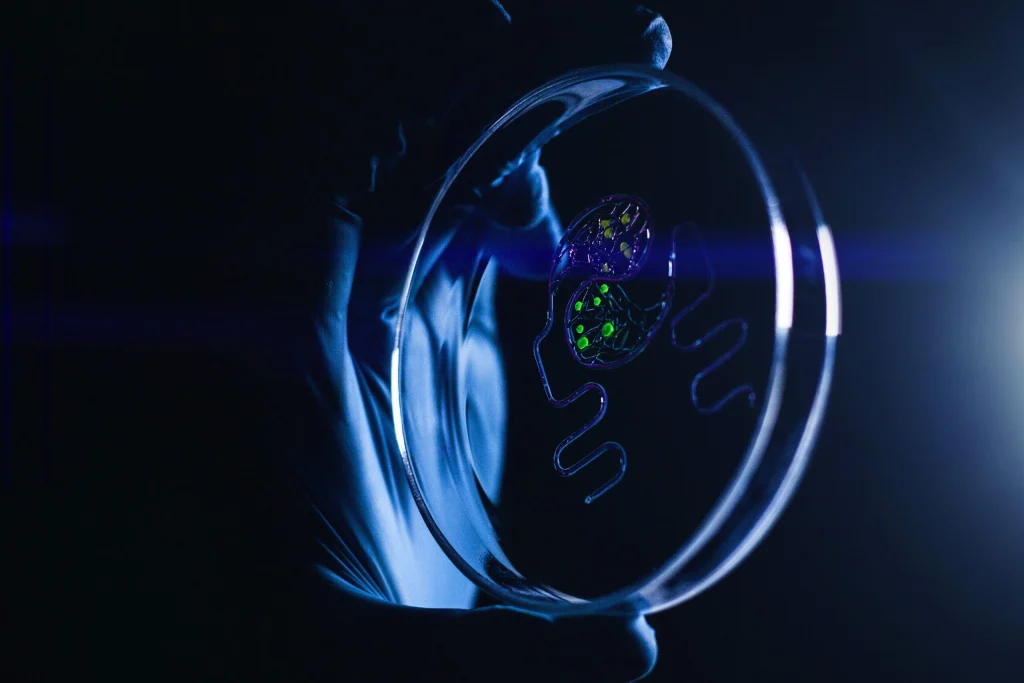
Personalized medicine is widely seen as the direction in which medical treatment is heading. Developing therapeutics that consider gender, genetic composition, medical history and physiology is a powerful way to optimize treatment efficiency. Compared to conventional manufacturing approaches, 3D bioprinting enables manufacturing and design iteration.
3D bioprinting’s value lies in more than one application.
On the one hand, it can use patient derived cells to create 3D models mimicking the patients ‘specific condition, for instance replicating a patients tumor. This enables more accurate drug screening and treatment response testing.
On the other hand, 3D bioprinting also opens the door to manufacturing personalized drugs. In practice, manufacturers use 3D bioprinting to construct by depositing biocompatible, adaptable polymers layer-by-layer. This allows precise control over various geometries, thicknesses, release behavior, and customizable designs.
As technology matures, any patient-specific device, prosthetics, or impacts produced this way will still need to meet regulatory standards before reaching the market.
Within this space, 3D printing is already being explored for a range of personalized applications, e.g.:
- Adjusting drug doses to individual patients
- Combining multiple drugs into a single dosage form
- Creating modified-release formulations
- Medical implants
Sources and references:
- S. Huang et al., December 2024, Nature Reviews Bioengineering, Organoid Bioprinting: From Cells to Functional Tissues, https://doi.org/10.1038/s44222-024-00268-0
- Kalyan BG et al., June 2023, Materials Today Communications, 3D printing in personalized medicines: A focus on applications of the technology, https://doi.org/10.1016/j.mtcomm.2023.105875
- Vidiyala et al., November 2025, Scientia Pharmaceutica, Integrating 3D Printing and Additive Manufacturing into Personalized Medicine for Pharmaceuticals: Opportunities, Limitations, and Future Perspectives, https://doi.org/10.3390/scipharm93040061y
- Auriemma et al., April 2022, Molecules MDPI, Additive Manufacturing Strategies for Personalized Drug Delivery Systems and Medical Devices: Fused Filament Fabrication and Semi Solid Extrusion, https://doi.org/10.3390/molecules27092784
The role of 3D bioprinting in regenerative medicine
Regenerative medicine aims to restore, repair, or replace damaged tissues and organs. Applications range from wound healing patches and stem cell therapies to tissue-engineered grafts and artificial organs. Bioprinting has emerged as a powerful tool in this field by enabling the fabrication of cell-laden constructs with controlled architectures that closely mimic native tissues.
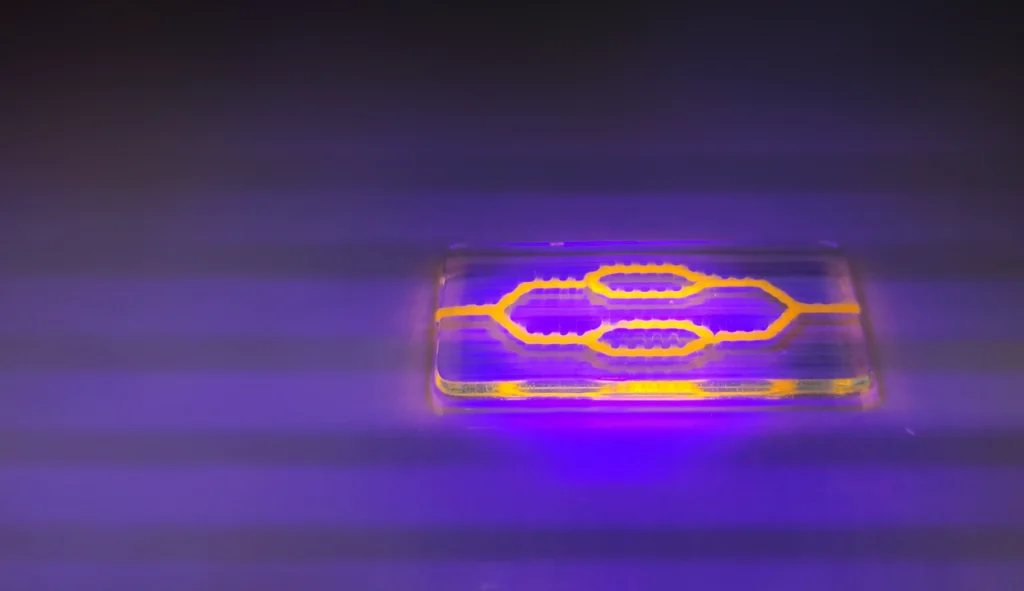
Recent research has focused on the fabrication of vascularized tissues. This is a necessity once constructs grow larger and more complex. Technologies such as coaxial bioprinting (achievable with the Bio X6) and high-resolution DLP printing enable the creation of perfusable structures that support nutrient transport and tissue maturation.
Significant progress has been reported for a range of tissue types, including skin, cartilage, bone, musculoskeletal tissues, heart valves, and vascular grafts.
Looking further ahead, bioprinting offers the potential to address major challenges in organ transplantation, from donor shortages to long waiting lists patients face. Early proof-of-concept work is already pointing in that direction: researchers have successfully bioprinted corneal tissues, vascularized skin constructs, cartilage grafts, and even engineered ovarian scaffolds that are capable of supporting follicle development. As these efforts continue, stem cell technologies are also advancing. Together, these developments may enable patient-specific tissues and organs for regenerative therapies and personalized medicine.
Sources and references:
- B. Kolesky et al., March 2016, PNAS, Three-dimensional bioprinting of thick vascularized tissues, https://doi.org/10.1073/pnas.1521342113
- Isaacson A. et al., May 2018, Experimental Eye Research, 3D bioprinting of a corneal stroma equivalent, https://doi.org/10.1016/j.exer.2018.05.010
- Laronda MM et al., May 2017, Nature Communications, A bioprosthetic ovary created using 3D printed microporous scaffolds restores ovarian function in sterilized mice, https://doi.org/10.1038/ncomms15261
- Murphy & Atala, August 2014, Nature Biotechnology, 3D bioprinting of tissues and organs, https://doi.org/10.1038/nbt.2958 Li et al., November 2025, Medical Engineering & Physics, A comprehensive review on the printing efficiency, precision, and cell viability in 3D bioprinting, https://doi.org/10.1016/j.medengphy.2025.104448
- Baltazar et al., 2020, Tissue Engineering, Three Dimensional Bioprinting of a Vascularized and Perfusable Skin Graft Using Human Keratinocytes, Fibroblasts, Pericytes, and Endothelial Cells, DOI 10.1089/ten.tea.2019.0201
- S. Huang et al., December 2024, Nature Reviews Bioengineering, Organoid Bioprinting: From Cells to Functional Tissues, https://doi.org/10.1038/s44222-024-00268-0
Are you working in the Benelux or DACH-region?
We are here to help you with all your 3D bioprinting questions. Just reach out to us!

